Topics /
Best Biology RSS Feeds in 2026
3 feeds from 3 sites tagged “biology”, ranked by how many people follow each one in their readers, how often it posts and how recently. The list moves as the feeds are checked, every few hours at least.
- 1Popular ScienceAwe-inspiring science reporting, technology news, and DIY projects. Skunks to space robots, primates to climates. That's Popular Science, 150 years strong.Last post 8 Nov
- 2Ars Technica ScienceServing the Technologist since 1998. News, reviews, and analysis.Last post 8 Nov
- 3Quanta MagazineIlluminating scienceLast post 6 Nov
Follow the whole topic
The newest biology posts from across the directory as one feed, for any reader:
Latest biology posts
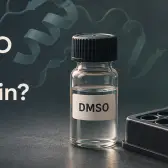
Before You Trust That Screening Hit, What Is DMSO Doing to Your Protein?
If a compound gives you a nice thermal shift you're obviously going to go and follow that up. Before we get too attached to it, though, I'd check what the same amount of DMSO does without the compound. Questions of this type are cropping up all the time in customer meetings. The more I get to know…
Polar bears are gathering close to this Canadian town—and co-existing with humans
The carnivores are particularly vulnerable to rising sea temperatures. The post Polar bears are gathering close to this Canadian town—and co-existing with humans appeared first on Popular Science .
Troublesome black bear Nugget wins the 2026 Annoying Sibling Award
Bears can annoy their brothers and sisters, too. The post Troublesome black bear Nugget wins the 2026 Annoying Sibling Award appeared first on Popular Science .
AI's Role in Biological Research: Target Selection vs. Lab Automation in Solving 3D Structures
AI's Evolving Role in Biological Research: From Automation to Target Selection Artificial intelligence (AI) is reshaping the landscape of biological research, transitioning from a tool for laboratory automation to a pivotal force in identifying and prioritizing experimental targets. This shift is…
Authorities at Lima Airport Find More Than 3,000 Tarantulas Hidden in Dirty Socks
Apparently, one of the three suspects is a famous tarantula researcher.
Your Cat May Be Even More Like a Baby Than We Knew, Scientists Find
Scientists sorted cats into four personality types, including one that shows the same mix of shyness and curiosity around strangers as human babies.
Why large dogs age faster than small ones, and other October research highlights
Plus invisible tattoos, medieval skeleton gets an ID, trapping a single antimatter particle, and more.
Research roundup: 6 cool science stories we almost missed
Plus invisible tattoos, medieval skeleton gets an ID, trapping a single antimatter particle, and more.
Fossilised red blood cells found in 115m-year-old dinosaur’s bone, say scientists
Chemical tests on Aratasaurus bone identify presence of heme, the organic compound that allows haemoglobin in blood to carry oxygen around body It could be the opening of a Jurassic Park rip-off: scientists examining ancient dinosaur bones find what appear to be fossilised red blood cells, and…
Most of our measures of a key cognitive process don't agree
A big study with very little beyond negative results still gets published.
Most of our measures of a key cognitive process don't agree
A big study with very little beyond negative results still gets published.
‘It’s really, really unusual’: tender bond between male donkey and bull baffles scientists
Patroclo and Achille’s interspecies affair sheds new light on social and sexual relations between animals, scientists say In ancient myth, Achilles and Patroclus were two Greek heroes of the Trojan war whose intense bond was believed by some to have turned into a sexual relationship. In modern…
Tributes paid to ‘inspiring’ Cambridge scientist who died in Spain train crash
Dr Marta Shahbazi was travelling to a conference to receive award for scientific excellence in developmental biology An “inspiring” University of Cambridge scientist died in the Spanish train collision on Wednesday that killed at least 69 people. Dr Marta Shahbazi , an affiliate associate professor…
Week in wildlife: a fishing anhinga, a northern nutcracker and cuddling seals
This week’s best wildlife photographs from around the world Continue reading...
How Spiders Spin ‘Silk Dope’ Into Nature’s Toughest Material
By probing its molecular structure, biologists are uncovering how a tangle of unstructured proteins turns into a tough, flexible thread. The post How Spiders Spin ‘Silk Dope’ Into Nature’s Toughest Material first appeared on Quanta Magazine
Malaria Parasite Caught in the Act of Breaking and Entering
To invade red blood cells, the deadly protist creates a temporary molecular portal that disappears behind it — a door we can now see in fine detail. The post Malaria Parasite Caught in the Act of Breaking and Entering first appeared on Quanta Magazine
Blood Cells From an 80-Year-Old Transformed into Young Brain Cells
This new technique could be a huge leap forward for age-related brain research The post Blood Cells From an 80-Year-Old Transformed into Young Brain Cells appeared first on Nautilus .